%2Ffit-in%2F250x250%2Fguide_websites%2F56407%2Fimages%2F1762829423252480773103_1151932573606663_5569290133893378686_n.jpg&w=1200&q=100)
/users/f9b6b39a-415f-4833-993f-422d0016d8f7/ratecard/149400531_2778808992383739_4906443162092041486_n-mhl75uty.jpg)
%2F300x300%2Fusers%2Ff9b6b39a-415f-4833-993f-422d0016d8f7%2Fratecard%2F149400531_2778808992383739_4906443162092041486_n-mhl75uty.jpg&w=256&q=75)
%2F300x300%2Fusers%2Ff9b6b39a-415f-4833-993f-422d0016d8f7%2Fimages%2Fredfish-caught-texas-2526.jpg&w=256&q=75)
%2F300x300%2Fusers%2Ff9b6b39a-415f-4833-993f-422d0016d8f7%2Fimages%2Fgreat-fishing-galveston-2353.jpg&w=256&q=75)
%2F300x300%2Fusers%2Ff9b6b39a-415f-4833-993f-422d0016d8f7%2Fimages%2Ftrio-fishing-texas-2389.jpg&w=256&q=75)
%2F300x300%2Fusers%2Ff9b6b39a-415f-4833-993f-422d0016d8f7%2Fimages%2Fbest-great-fishing-trip-galveston-2356.jpg&w=256&q=75)
%2F300x300%2Fusers%2Ff9b6b39a-415f-4833-993f-422d0016d8f7%2Fimages%2Fgreat-fishing-haul-galveston-2522.jpg&w=256&q=75)
%2F300x300%2Fusers%2Ff9b6b39a-415f-4833-993f-422d0016d8f7%2Fimages%2Ffishing-adventure-tx-2469.jpg&w=256&q=75)
%2F300x300%2Fusers%2Ff9b6b39a-415f-4833-993f-422d0016d8f7%2Fimages%2Fbest-redfish-haul-tx-2564.jpg&w=256&q=75)
%2F300x300%2Fusers%2Ff9b6b39a-415f-4833-993f-422d0016d8f7%2Fimages%2Ffishing-galveston-adventure-2483.jpg&w=256&q=75)
%2F300x300%2Fusers%2Ff9b6b39a-415f-4833-993f-422d0016d8f7%2Fimages%2Ffishing-fun-galveston-2461.jpg&w=256&q=75)
%2F300x300%2Fusers%2Ff9b6b39a-415f-4833-993f-422d0016d8f7%2Fimages%2Fgreat-fishing-trip-tx-2454.jpg&w=256&q=75)
World-Class Full Day Inshore Fishing in Galveston
 Galveston
What you will be catching:
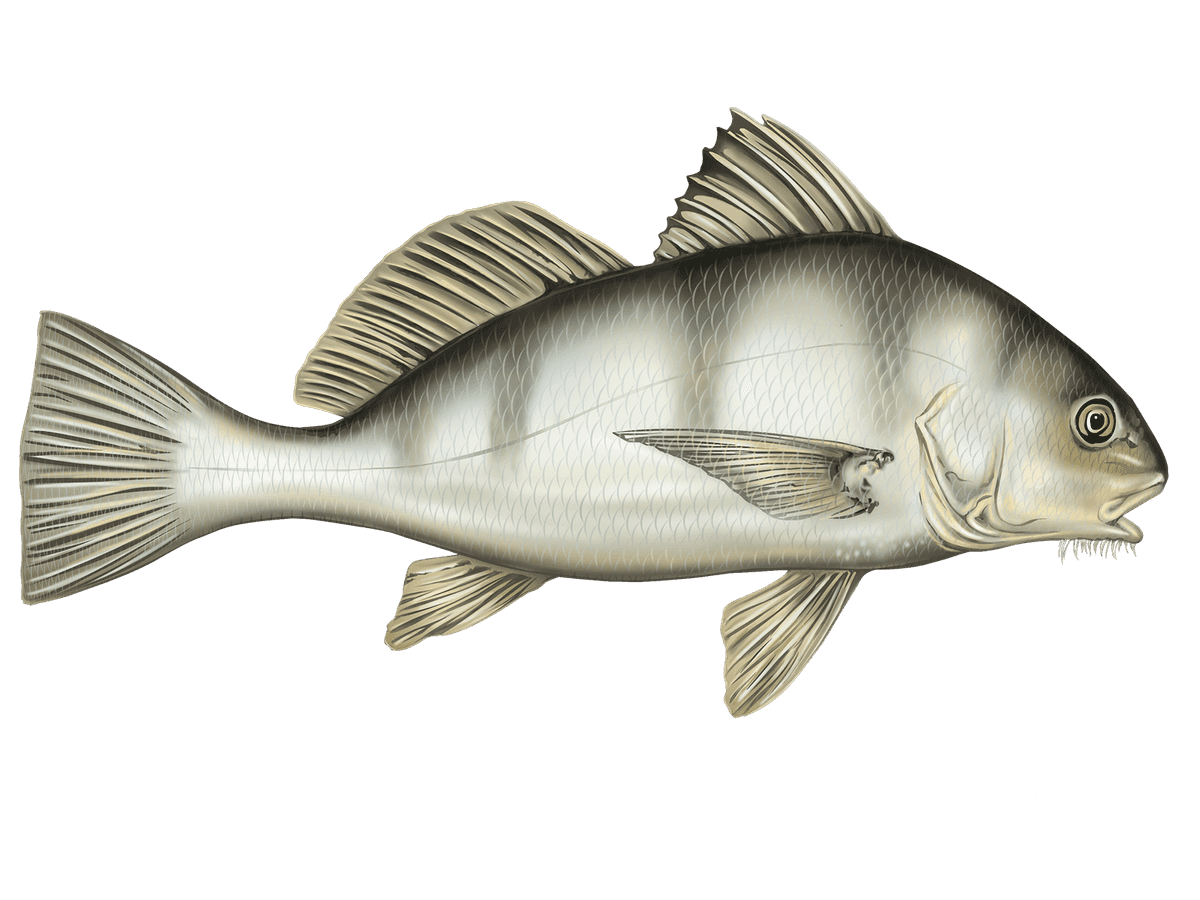
 Black Drum
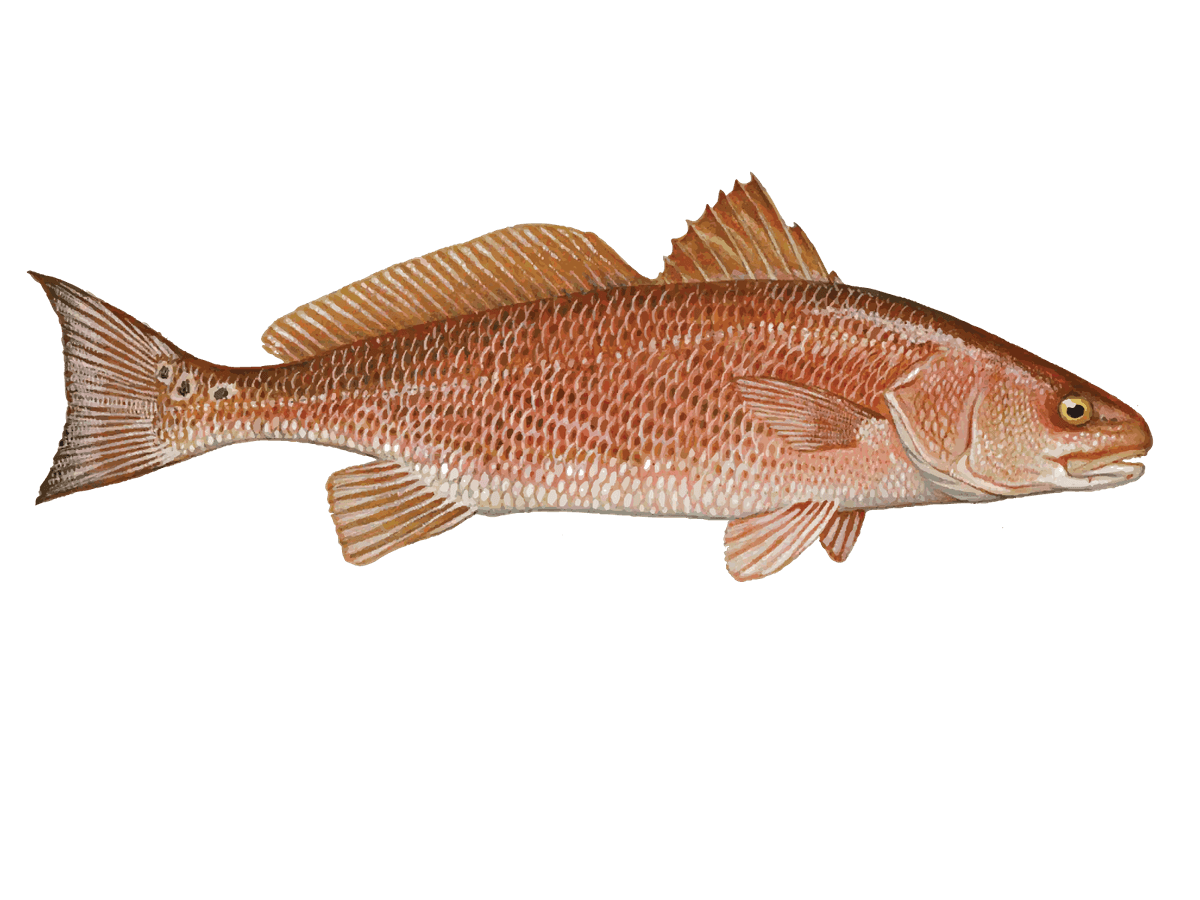
 Redfish
 Sea Trout
 Sheepshead
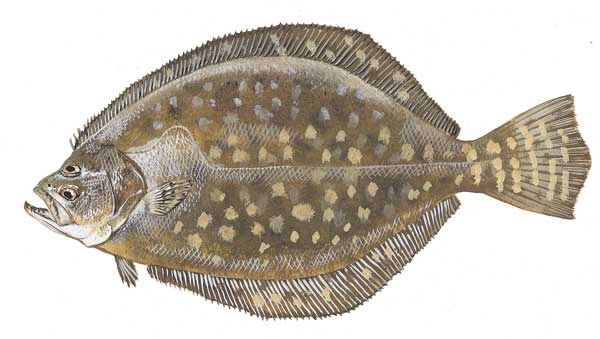 Southern Flounder
- Full-day inshore fishing targeting Redfish, Trout, Flounder, and Black Drum
- All gear provided with experienced guides handling trip details
- Light tackle techniques including drift fishing, trolling, and popping methods
Trip Pricing and Availabilities:
Full Day Inshore Fishing in Galveston Bay
Ready to spend a full day chasing reds and trout in the rich waters of Galveston Bay? This inshore trip with Extremecasting Fishing Guide puts you right where the action is. We'll hit multiple honey holes from West Bay to East Bay, targeting the bay's most sought-after gamefish. With a local pro at the helm, you'll learn the tricks to reading the water, finding bait, and landing trophy fish. Whether you're a seasoned angler or bringing the kids for their first big catch, this full-day adventure delivers non-stop fishing and coastal scenery.
What to Expect on the Water
We'll kick things off early, loading up the boat as the sun peeks over the horizon. The beauty of a full day trip is we've got time to let the bite dictate our moves. We might start drifting grass flats for speckled trout, then switch to sight-casting for tailing redfish as the tide changes. Your guide will read the conditions, adjusting tactics to put you on fish all day long. Expect to throw soft plastics, topwater lures, and maybe even some live bait if the fish are being picky. We provide all the gear, from rods and reels to the latest lures, so you can focus on fighting fish. Don't forget to bring your camera – the memories (and fish stories) from this trip will last a lifetime.
Inshore Fishing Techniques
This ain't your grandpa's bobber fishing. We'll use a mix of light tackle techniques to target different species throughout the day. Drift fishing is a go-to method, letting the wind push us across productive flats while we work soft plastics or popping corks. When the redfish are tailing in shallow water, we'll ease in close for some heart-pounding sight-casting action. And if the bite slows, we might troll to cover more water and find active fish. Your guide will show you how to work a variety of lures, from walk-the-dog topwaters for aggressive trout to slow-rolling jigs for lazy flounder. By the end of the day, you'll have a full tackle box of new skills to take home.
Top Catches This Season
Galveston's inshore waters are teeming with gamefish year-round, but each season brings its own highlight reel. In spring and fall, big schools of redfish cruise the flats, often visible from a distance as they push water. Summer brings explosive topwater action for speckled trout, while winter is prime time for trophy-sized black drum. Flounder fishing heats up in the cooler months, with some real doormats lurking around structure. And don't sleep on the sheepshead – these striped brawlers put up a great fight and make excellent table fare. Your guide knows where each species is likely to be holding based on the time of year, giving you the best shot at a diverse catch and maybe even a personal best.
Species You'll Want to Hook
Redfish: The crown jewel of Texas inshore fishing, redfish (also called red drum) are hard-fighting, copper-colored beauties that can grow to over 40 inches. They're known for their distinctive black spot near the tail, which some anglers believe wards off predators. Redfish love to cruise shallow flats, often revealing their location by "tailing" – sticking their tails out of the water as they root for crabs in the mud. The fall "bull red" run, when large breeding-age reds enter the bays, is a bucket-list experience for many anglers.
Speckled Trout: These spotted dynamos are prized for both their sporty fight and their delicate flavor. Specks, as locals call them, can be caught year-round but really shine in the warmer months. They're ambush predators, often hanging around structure or depth changes to surprise baitfish. The excitement of seeing a big trout blow up on a topwater lure at dawn is hard to beat. While most trout caught inshore range from 14-20 inches, Galveston Bay is known for producing some real gators over 25 inches.
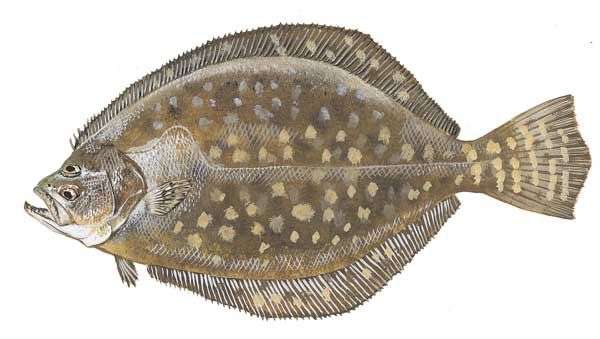
Southern Flounder: Masters of camouflage, flounder lie in wait on the bay bottom, ready to ambush passing prey. These flatfish might not look like great swimmers, but they can move surprisingly fast when chasing a lure. Fall is the prime time for flounder, as they gather in large numbers to migrate to the Gulf for spawning. Drift fishing near drop-offs or working a jig slowly along the bottom are effective techniques. And if you're lucky enough to land a big one, you're in for some of the best-tasting fillets the bay has to offer.
Black Drum: Often overlooked by visiting anglers, black drum can provide steady action when other species are slow. These cousins of the redfish can grow to massive sizes, with trophy "big uglies" topping 30 pounds not uncommon. Smaller drum, under 10 pounds, are excellent eating and put up a great fight on light tackle. They love crustaceans, so fishing near oyster reefs or using crab-scented soft plastics can be highly effective. Winter and early spring are peak seasons for black drum in Galveston Bay.
Sheepshead: With their distinctive black and white stripes and sheep-like teeth, these fish are unmistakable. Sheepshead are structure-oriented, often found around pilings, jetties, and oyster reefs. They're notorious bait stealers, using their powerful jaws and human-like teeth to crush crabs and barnacles. While they can be challenging to hook, sheepshead offer a fun change of pace and are delicious on the table. Their peak season is typically late winter through early spring.
Why Anglers Keep Coming Back
Galveston Bay isn't just a fishery – it's a complete coastal experience. One minute you're battling a bull red in the surf, the next you're watching dolphins play in the boat wake. The diversity of fishing opportunities here is unmatched. From the back lakes of West Bay to the deep channels near the ship channel, there's always a new spot to explore and a new technique to try. And let's not forget the food – nothing beats ending a successful day on the water with fresh-caught fish tacos at a local joint. Whether you're a seasoned pro or a first-timer, Galveston's inshore waters have a way of getting under your skin and keeping you coming back for more.
Time to Book Your Spot
A full day on Galveston Bay with Extremecasting Fishing Guide is more than just a fishing trip – it's a chance to create lasting memories and maybe even land the catch of a lifetime. Our experienced guides know these waters like the back of their hand and are passionate about putting clients on fish. We provide all the gear you need, from top-quality rods and reels to the hottest local lures. All you need to bring is your sense of adventure (and don't forget that fishing license!). Whether you're planning a family outing, a corporate team-building day, or just want to scratch that fishing itch, we've got you covered. The fish are biting, and the bay is calling – don't miss out on your chance to experience some of the best inshore fishing Texas has to offer. Book your trip today and get ready to make some waves!
Learn more about the species
Black Drum
Black Drum are the heavyweights of the drum family, typically 5-30 pounds but can hit 90 pounds. Look for them in brackish waters, around oyster beds, and in estuaries. They love shallow, muddy flats but can also hang out in depths up to 100 feet. Spring's your best bet for catching them, as they school up to spawn. Anglers dig Black Drum for their strong fight and the distinctive drumming sound they make. To hook one, use fresh crab or shrimp as bait – they're suckers for shellfish. A simple bottom rig works well. Here's a local trick: if you're not getting bites, try chumming with crushed oyster shells. It mimics the sound of them feeding and can draw them in. Just remember, for the best eating, keep the smaller ones under 15 pounds. The big ones can be tough and not as tasty.
Redfish
Redfish, or Red Drum, are the rockstars of Galveston's inshore fishing. They love shallow water, often as little as 1-4 feet deep. Look for them around oyster reefs, coves, and grass flats. Most are 28-33 inches, but they can grow much bigger. Anglers go nuts for their hard-fighting spirit and that distinctive tail spot. To catch 'em, try topwater lures in shallow water for explosive strikes. Live shrimp works great too. Fall's prime time when they're feeding heavily before winter. Here's a local tip: on calm days, cruise the flats and look for their tails sticking out of the water. It's called "tailing" and it's a sight-fishing thrill. Just approach quietly and make a gentle cast beyond them. Redfish are excellent eating, with a mild, sweet flavor that's hard to beat.
Sea Trout
Sea Trout, or Speckled Trout, are a favorite here in Galveston. They typically run 14-24 inches and hang out in grass flats and shallow waters. Look for them around drop-offs and channels, especially at night or early morning. These fish are suckers for live shrimp, but artificial lures like jerk baits and topwater plugs work great too. Winter's when they school up in deeper waters, sometimes as deep as 164 feet. Anglers love 'em for their light, flaky meat and the fun fight they put up. Here's a local trick: if you're having trouble finding them, try trolling slowly along grass lines at dawn. The flash and vibration can trigger strikes when nothing else works. Remember, these fish are delicate – handle them carefully if you're planning to release.

Sheepshead
Sheepshead, or convict fish, are the oddball of inshore fishing. They're usually 1-8 pounds, with a weird set of human-like teeth perfect for crushing barnacles and crabs. You'll find them around any structure with barnacles – docks, bridges, jetties. Spring's the hot time when they school up to spawn. Anglers love the challenge of catching these bait stealers. They're notorious for nibbling without getting hooked. For bait, go natural with fiddler crabs or shrimp. Use light tackle and set up close to the structure. Here's a local tip: when you feel the nibble, wait a second before setting the hook. Let them get the bait in their mouth first. The meat is sweet and delicious, but cleaning them can be a pain with their tough scales. Worth it though – they're some of the best eating fish in the bay.

Southern Flounder
Southern Flounder are masters of camouflage, with both eyes on their left side. They're usually 15-18 inches long, but can reach up to 33 inches. You'll find them in shallow coastal waters, bays, and estuaries, often buried in sandy or muddy bottoms. Fall is prime time for catching these flat fish as they move to spawn. Anglers love targeting them for their delicate, white meat and the challenge of spotting them. To land one, try drift fishing or still fishing with live bait like mullet or shrimp. Use a single-hook rig with a slip lead, keeping your bait close to the bottom. A local tip: when you feel a gentle tug, resist the urge to set the hook immediately. Give the flounder a moment to fully take the bait, then set it hard. These sneaky fish are known for their light bites, so patience is key.
About the Extremecasting Boat
%2F%2Fusers%2Ff9b6b39a-415f-4833-993f-422d0016d8f7%2Fvehicle_picture%2F55db535cefdf1f4dd0317284a0e5a35b-mhl5hufb.jpg&w=1200&q=75)
Vehicle Guest Capacity: 4
Manufacturer Name: Suzuki
Maximum Cruising Speed: 50
Number of Engines: 1
Horsepower per Engine: 300