%2Ffit-in%2F250x250%2Fguide_websites%2F56407%2Fimages%2F1762829423252480773103_1151932573606663_5569290133893378686_n.jpg&w=1200&q=100)
/users/f9b6b39a-415f-4833-993f-422d0016d8f7/ratecard/490801086_3882432858688008_6249205330201441454_n-mhl6rb6n.jpg)
%2F300x300%2Fusers%2Ff9b6b39a-415f-4833-993f-422d0016d8f7%2Fratecard%2F490801086_3882432858688008_6249205330201441454_n-mhl6rb6n.jpg&w=256&q=75)
%2F300x300%2Fusers%2Ff9b6b39a-415f-4833-993f-422d0016d8f7%2Fimages%2Fredfish-caught-texas-2526.jpg&w=256&q=75)
%2F300x300%2Fusers%2Ff9b6b39a-415f-4833-993f-422d0016d8f7%2Fimages%2Fgreat-fishing-galveston-2353.jpg&w=256&q=75)
%2F300x300%2Fusers%2Ff9b6b39a-415f-4833-993f-422d0016d8f7%2Fimages%2Ftrio-fishing-texas-2389.jpg&w=256&q=75)
%2F300x300%2Fusers%2Ff9b6b39a-415f-4833-993f-422d0016d8f7%2Fimages%2Fbest-great-fishing-trip-galveston-2356.jpg&w=256&q=75)
%2F300x300%2Fusers%2Ff9b6b39a-415f-4833-993f-422d0016d8f7%2Fimages%2Fgreat-fishing-haul-galveston-2522.jpg&w=256&q=75)
%2F300x300%2Fusers%2Ff9b6b39a-415f-4833-993f-422d0016d8f7%2Fimages%2Ffishing-adventure-tx-2469.jpg&w=256&q=75)
%2F300x300%2Fusers%2Ff9b6b39a-415f-4833-993f-422d0016d8f7%2Fimages%2Fbest-redfish-haul-tx-2564.jpg&w=256&q=75)
%2F300x300%2Fusers%2Ff9b6b39a-415f-4833-993f-422d0016d8f7%2Fimages%2Ffishing-galveston-adventure-2483.jpg&w=256&q=75)
%2F300x300%2Fusers%2Ff9b6b39a-415f-4833-993f-422d0016d8f7%2Fimages%2Ffishing-fun-galveston-2461.jpg&w=256&q=75)
%2F300x300%2Fusers%2Ff9b6b39a-415f-4833-993f-422d0016d8f7%2Fimages%2Fgreat-fishing-trip-tx-2454.jpg&w=256&q=75)
Galveston Pro Inshore Fishing with Extremecasting
 Galveston
What you will be catching:
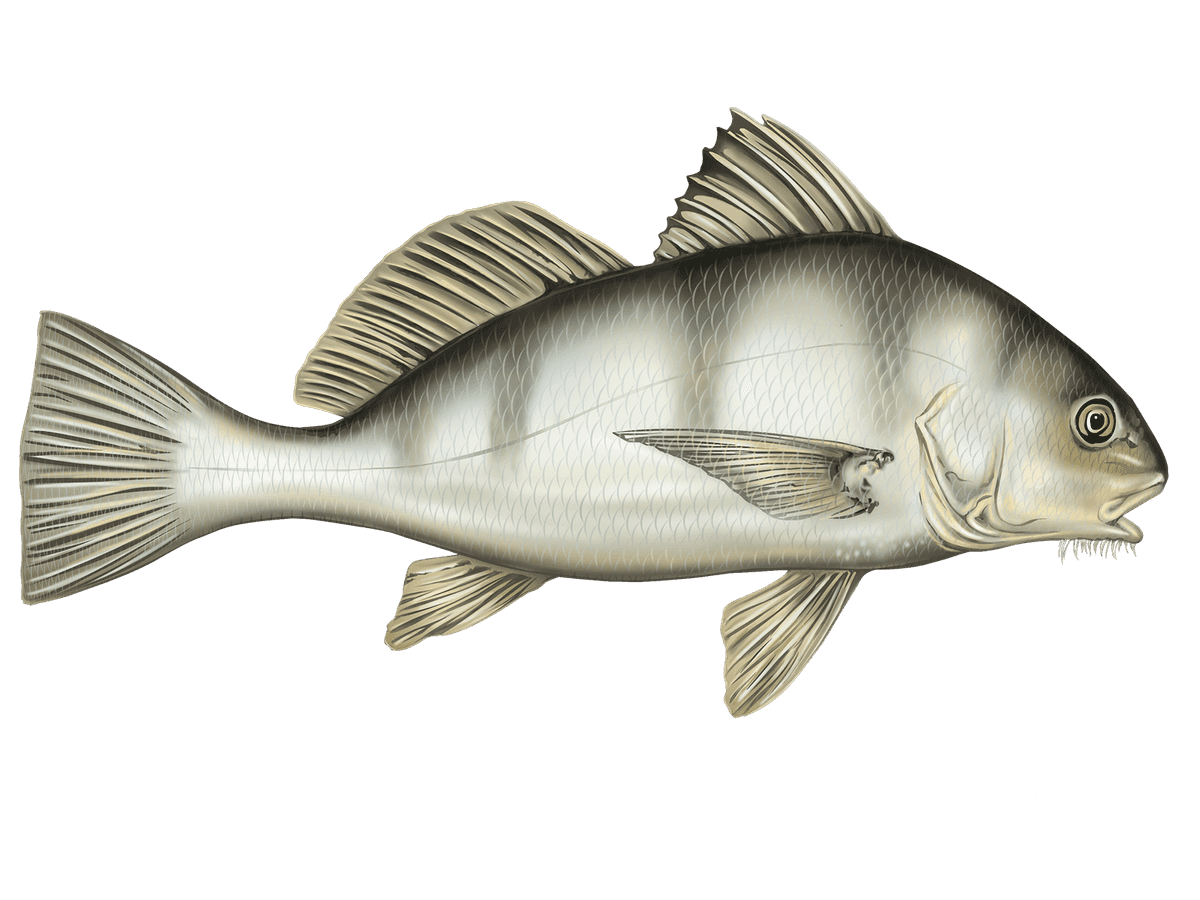
 Black Drum
 Redfish
 Sea Trout
 Sheepshead
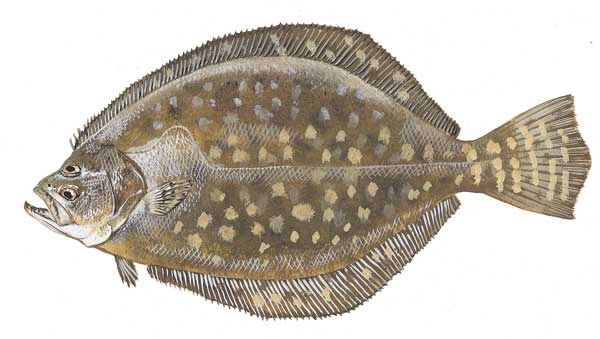 Southern Flounder
- 5-hour inshore charter targeting redfish, trout, flounder, and black drum
- Light tackle fishing with expert captain guidance and all gear provided
- Accommodates two anglers with bait purchase required separately
Trip Pricing and Availabilities:
Galveston's Inshore Hotspots: A Pro Angler's Dream
Hey there, seasoned anglers! If you're itching to hit Galveston's inshore waters and put your skills to the test, boy, do we have the trip for you. This five-hour guided adventure with Extremecasting Fishing Guide is tailor-made for folks who know their way around a rod and reel. We're talking prime fishing grounds, expert guidance, and a shot at some of the Gulf Coast's most sought-after species. So grab your lucky hat and let's dive into what makes this Galveston inshore charter a top pick for serious fishermen.
What's On The Line
Listen up, because this ain't your average boat ride. We're setting out for five solid hours of targeted fishing action in Galveston's rich inshore waters. Your captain's got one goal: to put you on the fish. We're talking Redfish, Speckled Trout, Flounder, and Black Drum - the crown jewels of Texas inshore fishing. This trip is all about refining your technique and trying out some tactical approaches that'll up your game. We'll be using light tackle, perfect for the sensitivity you need when you're working those grass flats and oyster reefs. Expect to try your hand at drift fishing, trolling, and popping corks - whatever it takes to entice those fish to bite.
Gearing Up for Success
Now, let's talk shop. Extremecasting Fishing Guide's got you covered with all the rods, reels, and lures you'll need. We're using top-notch gear that's up to snuff for these wily inshore species. But here's a pro tip: bring some extra cash if you want live bait. It's not included, but man, sometimes it's the ticket to turning a good day into a great one. Don't forget your fishing license - that's on you to bring. And while we're at it, pack some grub, plenty of water, and definitely don't skimp on the sun protection. A good hat and polarized glasses aren't just for looking cool; they'll help you spot those fish before they see you.
Tactics for Tidal Treasures
Alright, let's get into the nitty-gritty. Inshore fishing in Galveston is a whole different ballgame from offshore. We're working the shallows here, folks. Your guide's going to show you how to read the water, spot those subtle signs that scream "fish here!" You'll learn to work a soft plastic like a pro, feeling for that telltale thump of a Redfish strike. We might do some wade fishing if the conditions are right - there's nothing like feeling the bottom under your feet to really connect with the environment. And when we're drifting, you'll get the lowdown on how to present your bait so naturally that even the wariest old trout can't resist.
Species Spotlight
Let's break down the big four you'll be chasing on this trip. First up, Redfish. These copper-colored bruisers are the bulldogs of the flats. They'll test your drag and your patience, especially when they're tailing in shallow water. Spring and fall are prime time, but honestly, in Galveston, you've got a shot at them year-round.
Speckled Trout, or "specks" as we call 'em, are the finesse game. They're known for their soft mouths and lightning-fast strikes. These guys love to hang around structure, so we'll be targeting grass beds and oyster reefs. Early morning topwater action for specks is something every angler needs to experience.
Then there's the Southern Flounder. These flatfish are masters of camouflage and ambush predators. We typically see more of them in the fall when they're migrating, but a well-presented soft plastic can tempt them any time of year. There's a special technique to hooking these guys - your guide will show you the ropes.
Last but not least, Black Drum. These cousins of the Redfish might not be the prettiest fish in the sea, but man, can they put up a fight. They love crustaceans, so if we're using live bait, a nice juicy shrimp might just be the ticket. The bigger ones, what we call "Big Uglies," can push 30 pounds or more. Now that's a fish story waiting to happen!
Why Anglers Keep Coming Back
Look, there's a reason Galveston's inshore waters are a magnet for serious anglers. It's not just about the fish - though trust me, there are plenty. It's about the whole package. You've got a seasoned captain who knows these waters like the back of their hand. You're fishing in an ecosystem that's incredibly diverse, from the back bays to the jetties. And let's not forget the chance to tangle with some genuinely trophy-sized fish. Plus, the beauty of inshore fishing is that it's accessible. You don't need to be a deep-sea warrior to get in on this action. Whether you're sight-casting to tailing reds or working a topwater for aggressive trout, every cast has the potential for excitement.
Time to Wet a Line
Alright, folks, here's the deal. This Galveston inshore trip is the real deal for anglers who want to step up their game. You're getting five hours of focused fishing time, expert guidance, and a shot at some of the best inshore action the Gulf Coast has to offer. Remember, we're limited to two anglers per trip, so you're getting personalized attention that can make all the difference. Whether you're looking to land your personal best or just enjoy a day perfecting your craft, this is the charter for you. The fish are biting, the tides are calling, and your spot on the boat is waiting. Don't let this one slip away - book your Galveston inshore adventure today and get ready to make some serious angling memories. Tight lines!
Learn more about the species
Black Drum
Black Drum are the bruisers of the inshore scene, ranging from 5 to 30 pounds with some monsters hitting 90. Look for them around oyster beds, mudflats, and pier pilings in depths up to 30 feet. They use their strong teeth to crush shellfish, so fresh crab or shrimp make great bait. Spring's the hot time as they school up to spawn. Anglers dig Black Drum for their powerful fights and good eating, especially the smaller ones under 15 pounds. To land one, use a heavy-duty setup with 20-30 lb test line. Fish on the bottom and be patient - their bites can be subtle. Pro tip: When you feel a tap, don't set the hook right away. Let them take it and run a bit, then reel down and give it a solid hookset.
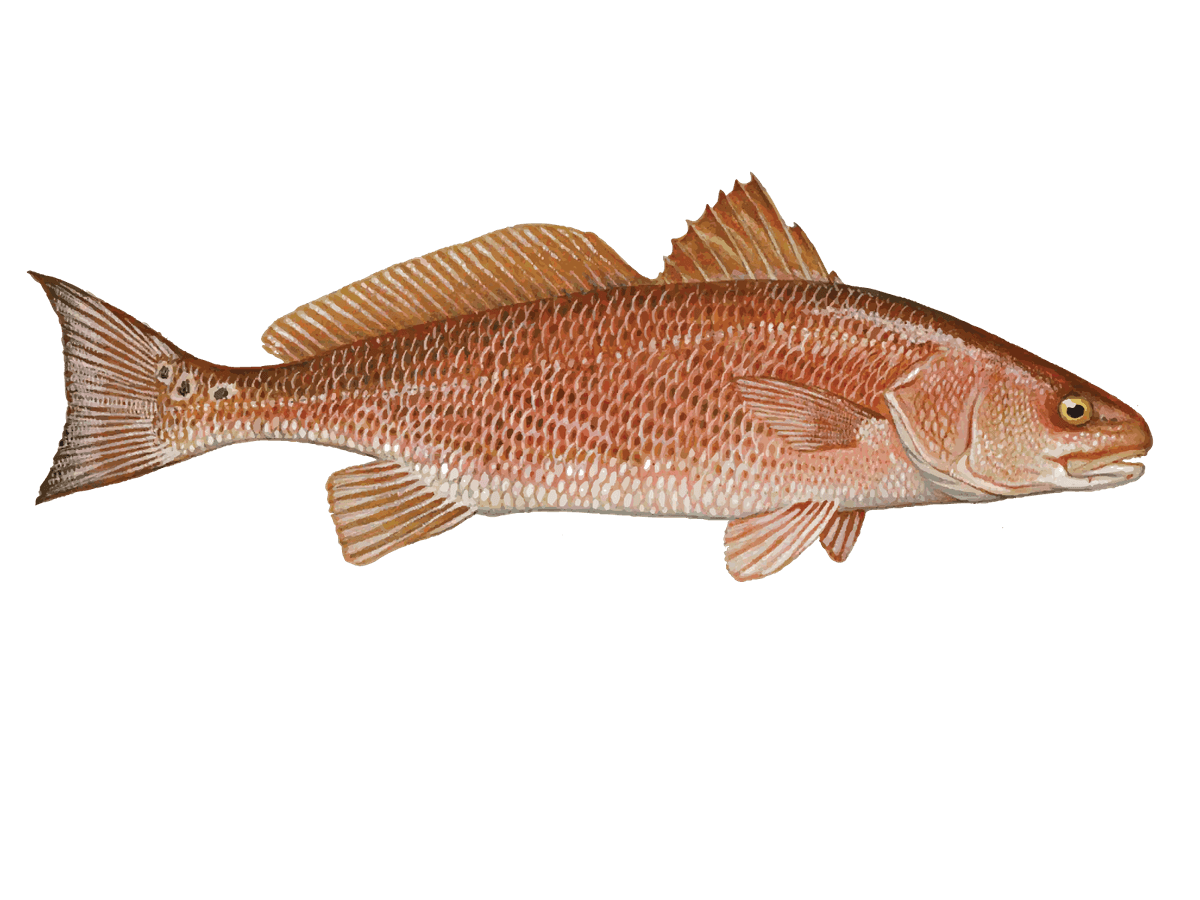
Redfish
Redfish, or Red Drum, are the rockstars of Galveston's inshore scene. They're easily spotted by that black tail spot and copper color. Most run 20-30 inches, but bulls over 40 inches aren't uncommon. You'll find them tailing in super shallow flats or cruising along marsh edges and oyster reefs. Fall's prime time as they school up for their spawning run. Anglers love Reds for their hard-fighting nature and excellent table fare. To catch 'em, try gold spoons, soft plastics, or live bait like mullet or crab. One local trick: on calm days, look for their tails breaking the surface as they root for crabs in shallow water. Ease up quietly and make a long cast just ahead of them. There's nothing like watching a big Red crash your topwater lure!
Sea Trout
Sea Trout, or Speckled Trout, are a favorite inshore target here in Galveston. They typically run 14-24 inches and 1-5 pounds, with some gators pushing 30 inches. Look for them around grass flats, oyster reefs, and channel edges, especially at dawn and dusk. They're active year-round but really fire up in spring and fall. Anglers love their aggressive strikes and delicate, flaky meat. To catch 'em, try live shrimp under a popping cork or work soft plastics with a twitch-and-pause retrieve. One local trick: on calm mornings, look for subtle "nervous water" where trout are busting bait. Cast just beyond and work your lure through the activity. Sea Trout have soft mouths, so set the hook with a quick, sideways snap instead of a hard upward jerk.

Sheepshead
Sheepshead, aka convict fish, are crafty little thieves with human-like teeth perfect for crushing barnacles and crabs. They typically run 1-8 pounds but can hit 20. You'll find them around any structure with barnacles - docks, bridges, jetties. They're year-round targets, but winter and early spring are prime as they school up to spawn. Anglers love the challenge of outwitting these bait stealers and their tasty white meat. To catch 'em, use small hooks with fiddler crabs or shrimp. Fish right up against the structure and keep your line tight - they're notorious for subtle bites. Here's a local trick: scrape some barnacles off the pilings to chum them up, then drop your bait right in the mix. Just watch your fingers around those teeth when unhooking!

Southern Flounder
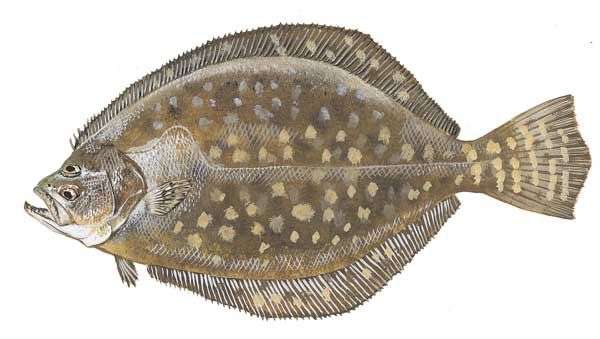
Southern Flounder are masters of camouflage, lying flat on the bottom waiting to ambush prey. They're typically 15-18 inches long, but can grow up to 33 inches. You'll find them in sandy or muddy bottoms of shallow coastal waters, bays, and estuaries. Fall is prime time as they migrate to spawn. Anglers love targeting flounder for their tasty white meat and the challenge of detecting their subtle bites. To catch 'em, use a slow retrieve with live bait like mullet or shrimp, or try soft plastics. Keep your line tight and be ready to set the hook fast - they'll often grab the bait and run. A local trick is to look for depressions in the sand where flounder bury themselves. Cast just beyond and slowly drag your bait through the spot.
About the Extremecasting Boat
%2F%2Fusers%2Ff9b6b39a-415f-4833-993f-422d0016d8f7%2Fvehicle_picture%2F55db535cefdf1f4dd0317284a0e5a35b-mhl5hufb.jpg&w=1200&q=75)
Vehicle Guest Capacity: 4
Manufacturer Name: Suzuki
Maximum Cruising Speed: 50
Number of Engines: 1
Horsepower per Engine: 300